Crawl Space Encapsulation Done Right at Hyco Lake
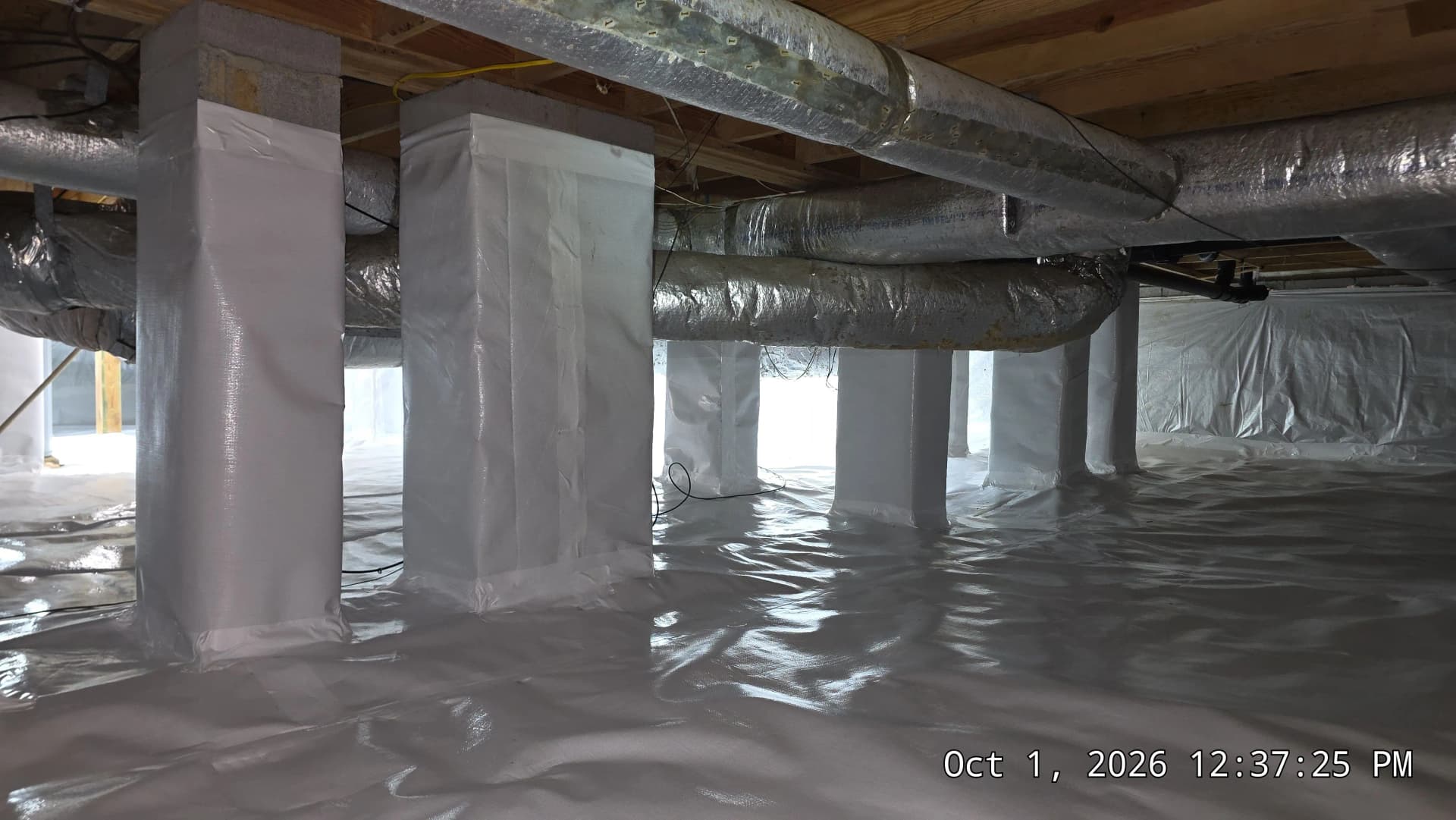
Crawl spaces near water don't get a pass when it comes to moisture. At Hyco Lake, that's exactly the kind of environment we were working in - a space that needed a serious, long-term fix, not just a quick patch job. So that's what we built.
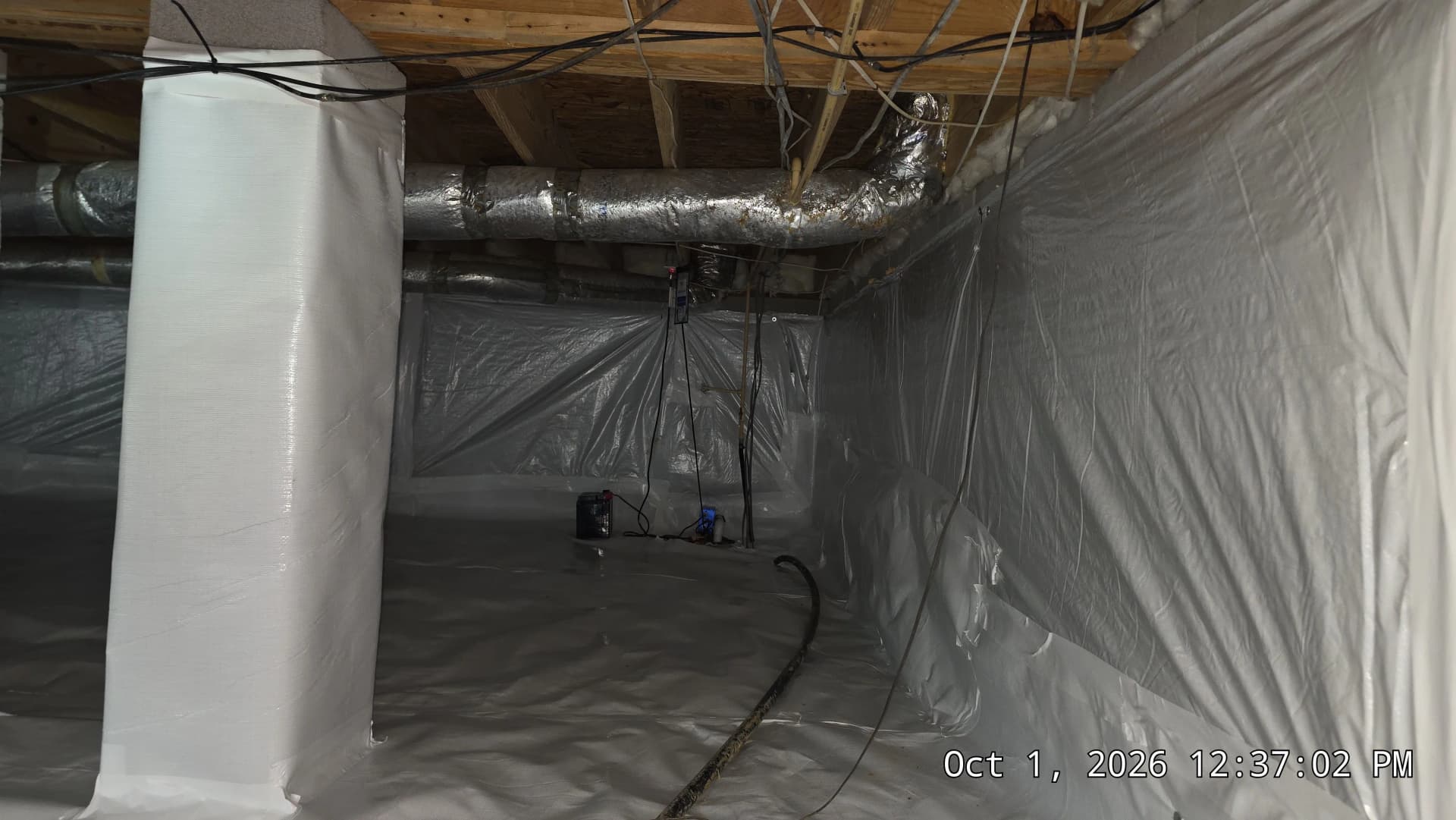
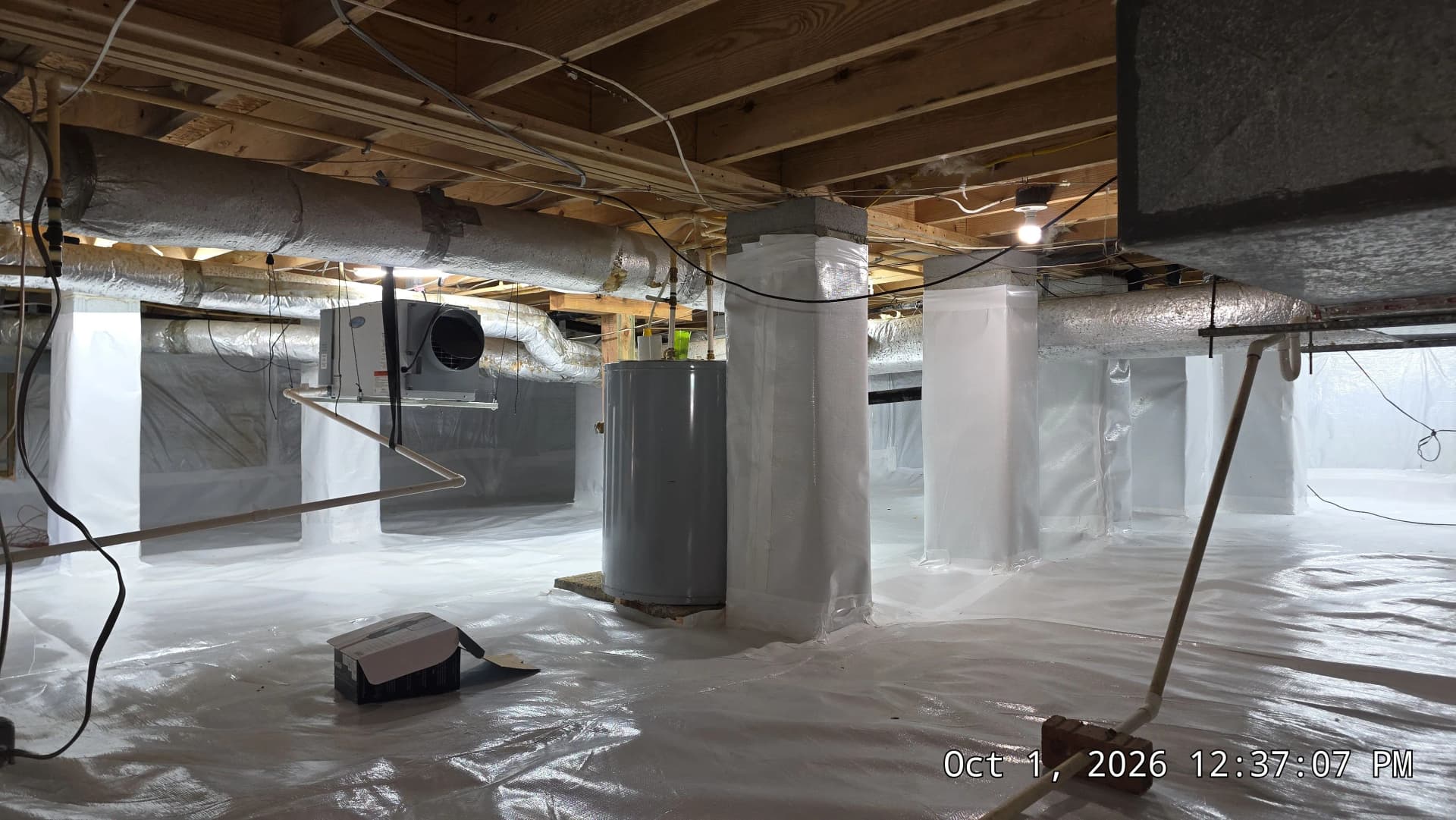
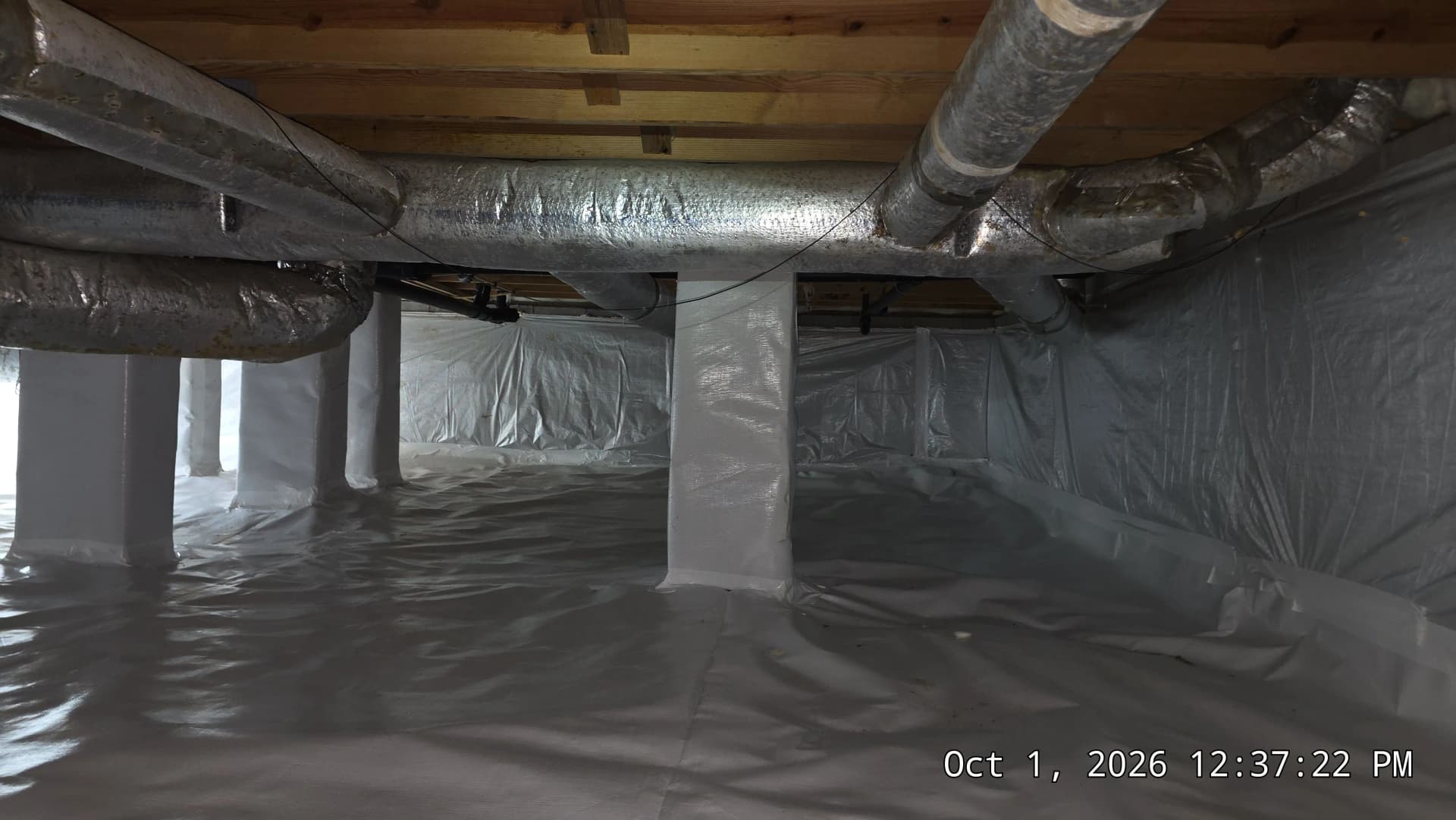
We ran a full vapor barrier installation across the floor and up every wall, wrapping the support columns too. The liner covers every surface moisture could sneak through. No gaps, no shortcuts. That's what a proper crawl space encapsulation looks like when it's done the way it should be.
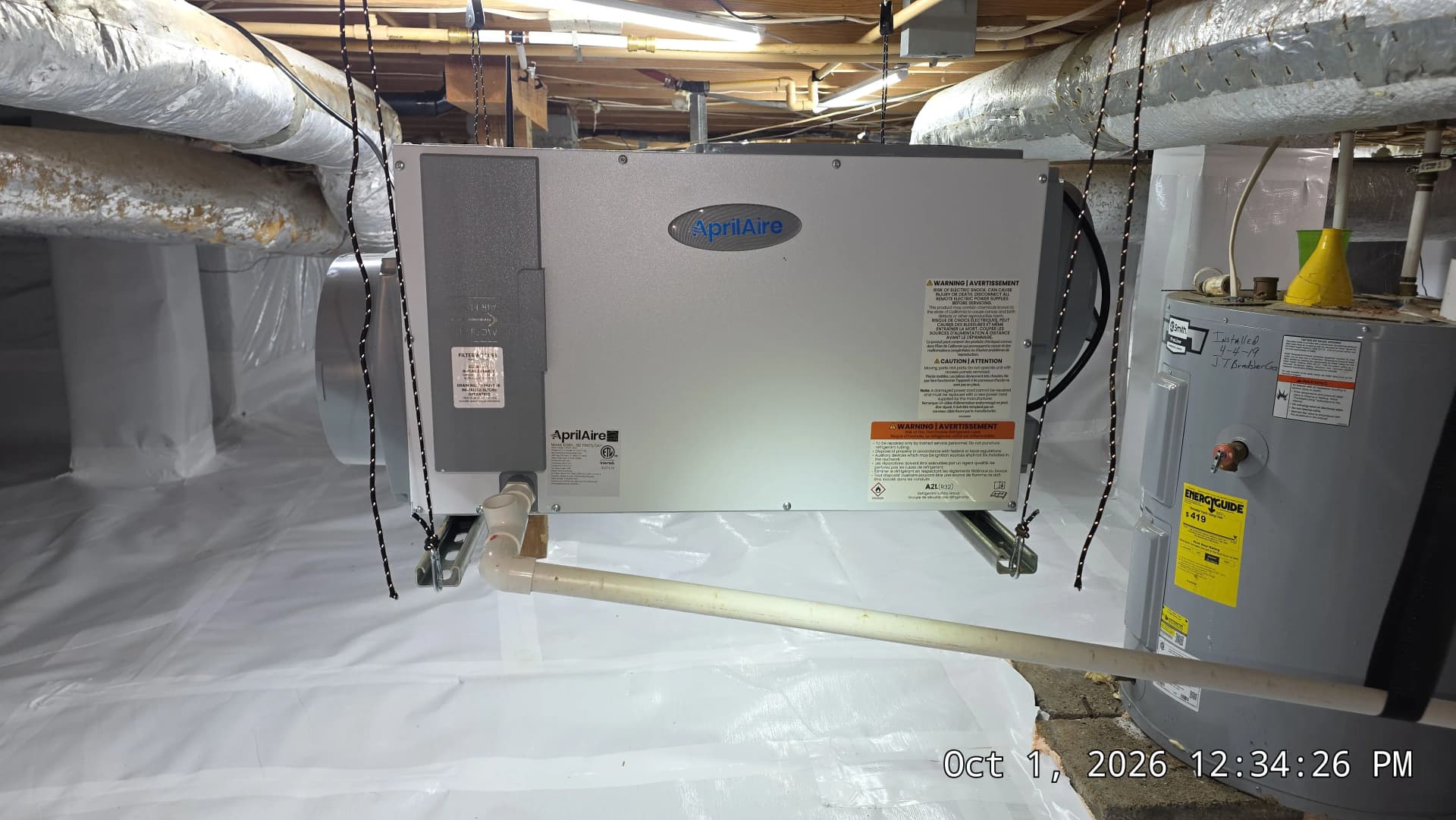
On top of the liner, we installed a WiFi-enabled Aprilaire E80 dehumidifier. This unit is suspended from the structure and drains through a PVC line, so there's no manual emptying and no guesswork. You can monitor and adjust humidity levels right from your phone. For a lake house that may sit empty for stretches of time, that kind of remote access is a big deal.
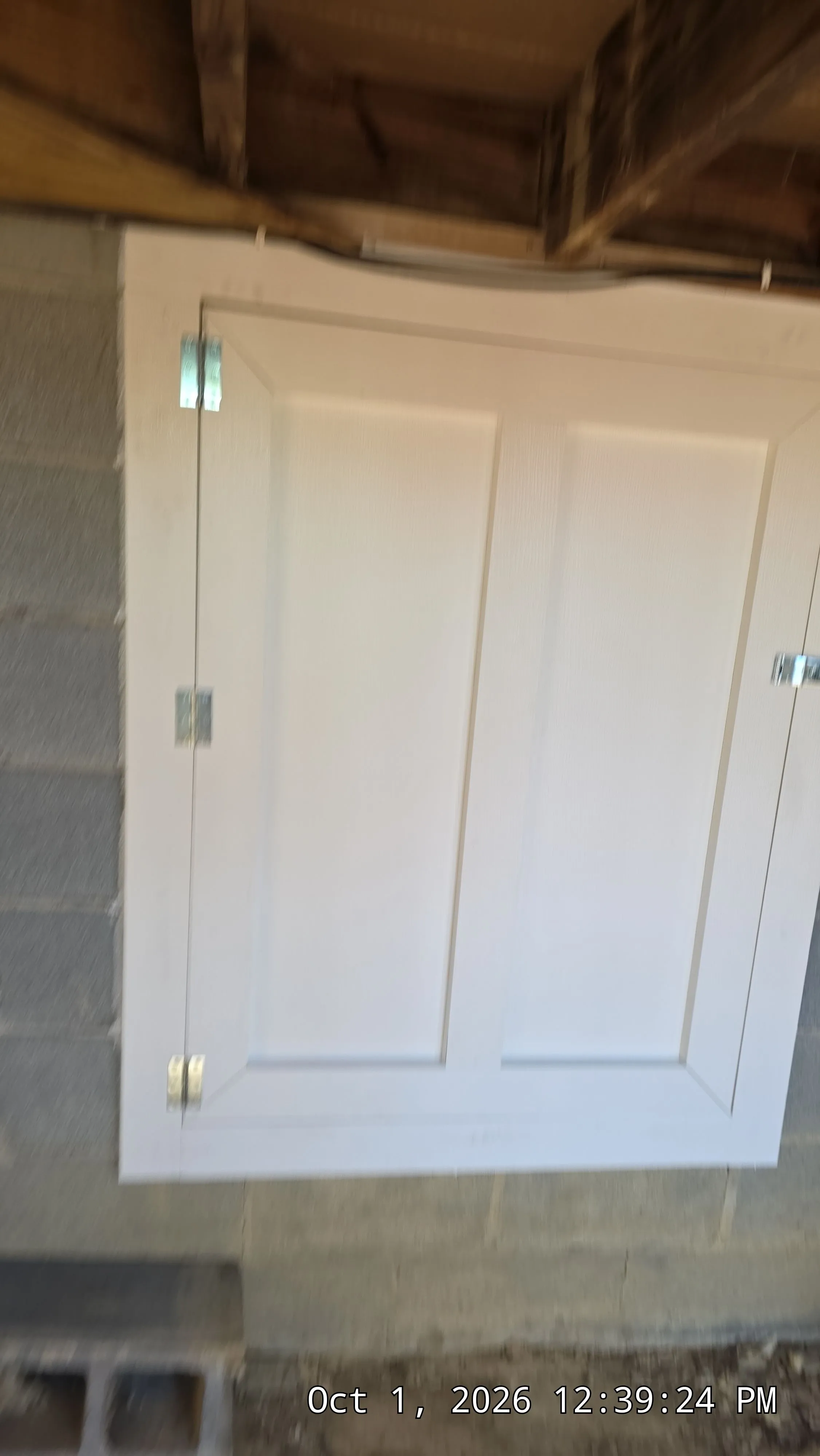
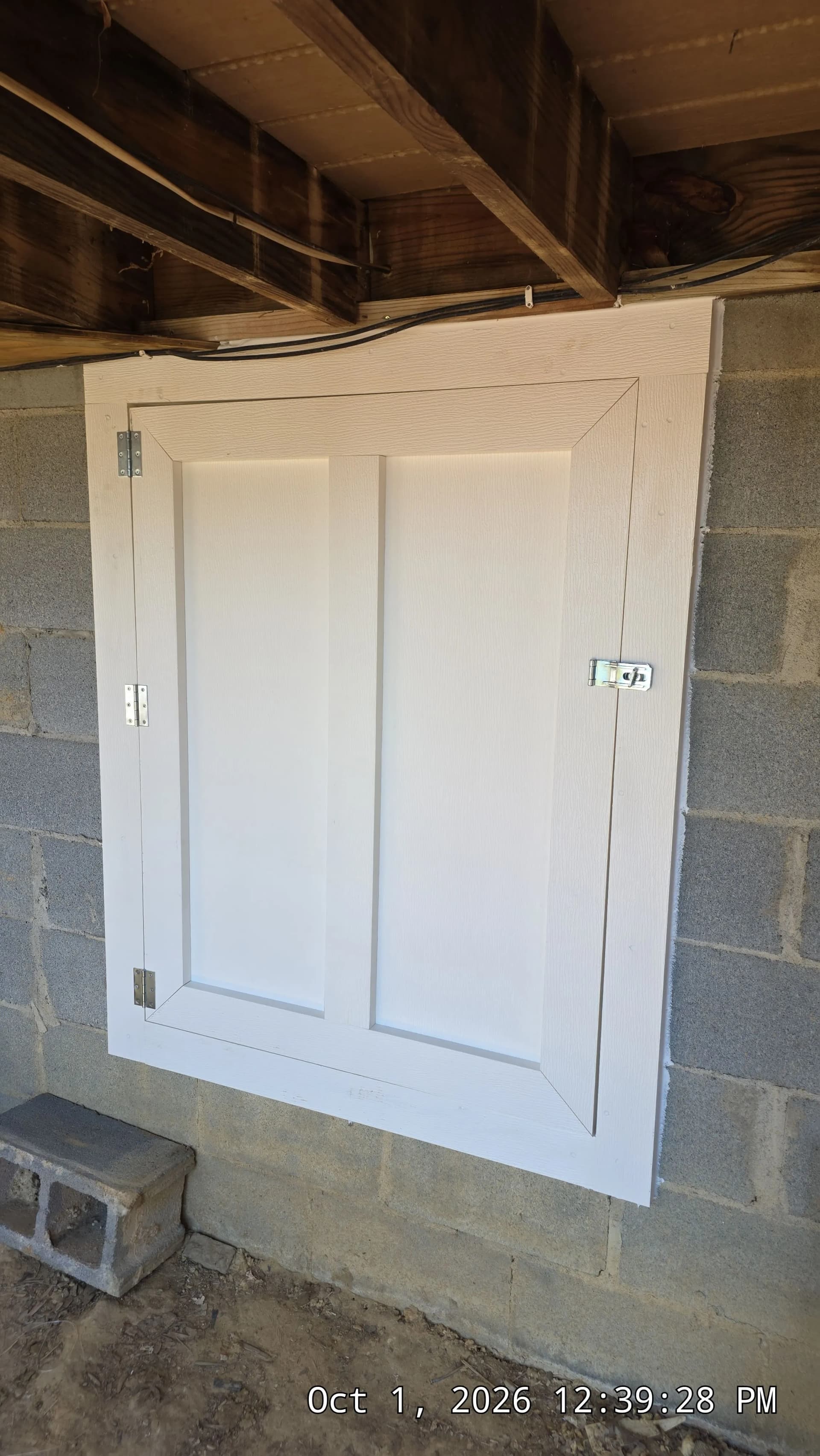
We also swapped out the old crawl space access with a new PVC door. It seals tight, it won't rot, and it keeps the encapsulation system working the way it's supposed to. The whole setup - liner, dehumidifier, door - works together as one system rather than a collection of separate fixes.
Moisture problems in a crawl space don't stay in the crawl space. They move up into the living areas, affecting air quality and the structure of the home itself. This Hyco Lake job is a good example of what a complete encapsulation looks like when every piece of the puzzle gets addressed.