Crawl Space Gets New Vapor Barrier After Fungus and Failed Insulation
Most homeowners never think about their crawl space - until something forces them to. The problem is, by the time you notice signs like musty odors, cold floors, or higher energy bills, the damage underneath your home has usually been building for a long time. That was the situation here.
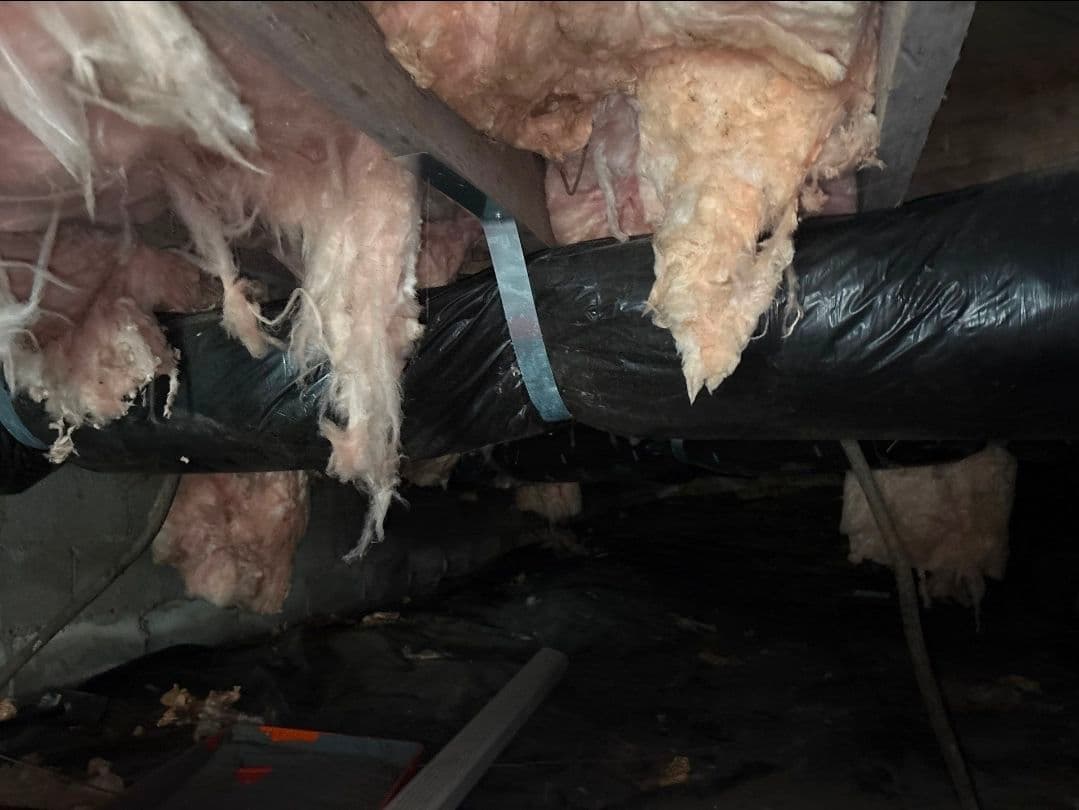
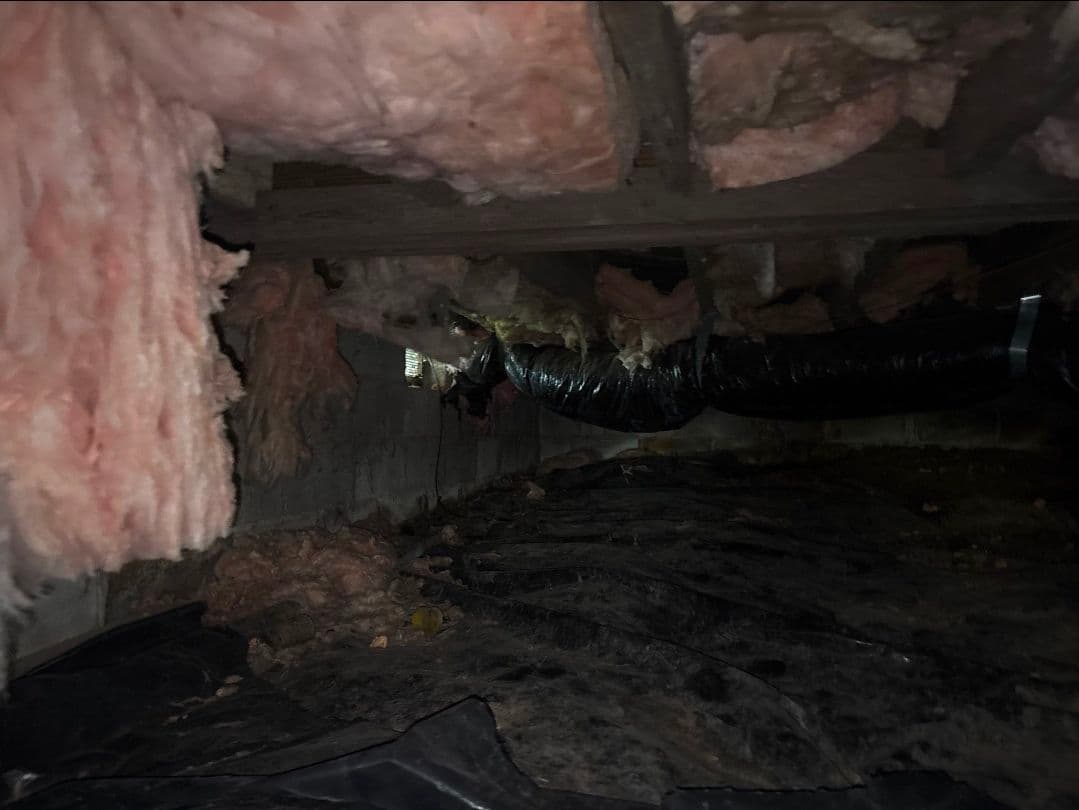
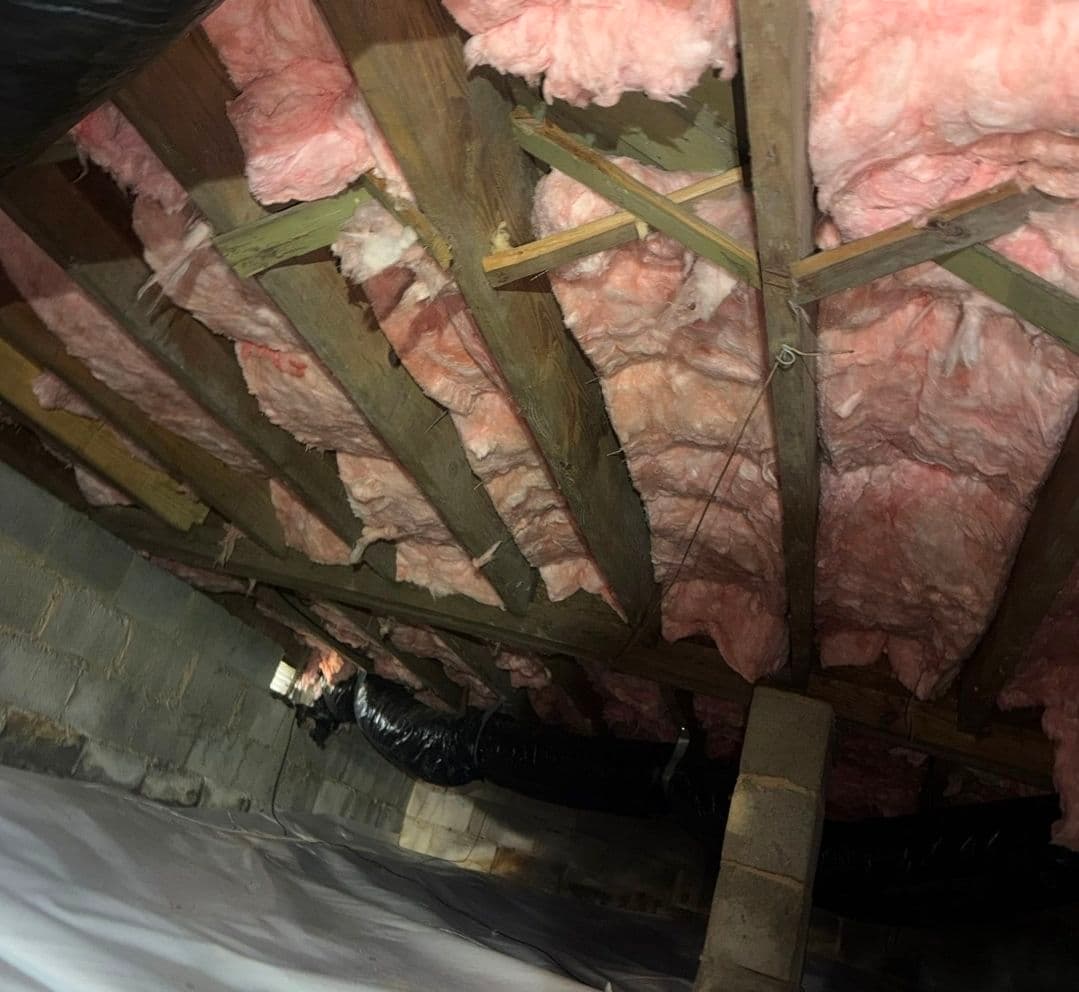
What we found going in was not pretty. The existing fiberglass batt insulation had deteriorated badly - falling apart, sagging, and coming down in chunks. On top of that, there was active fungus growth that needed to be dealt with before anything new could go in. Fiberglass holds moisture. When it gets wet enough, it becomes a perfect environment for mold and fungus to take hold. It stops doing its job and starts creating new problems instead.
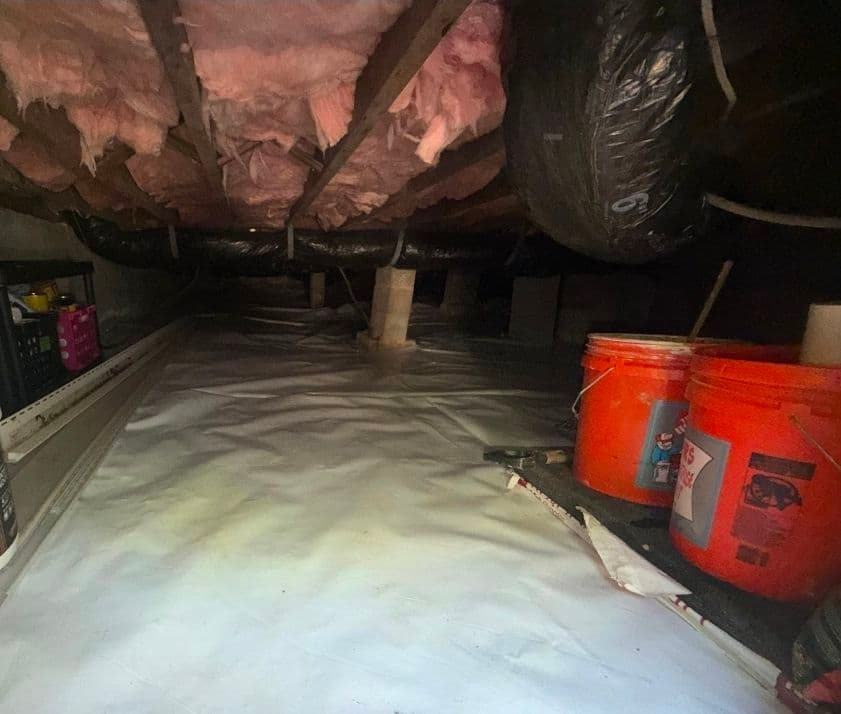
We cleared everything out, treated the fungus, and then went to work on a proper fix. The ground got covered with a heavy-duty 20 mil vapor barrier - that thickness matters. Thinner plastic shifts, tears, and lets ground moisture pass through over time. A 20 mil liner is tough enough to actually hold up under crawl space conditions for the long haul. Getting the vapor barrier right is the foundation of any solid crawl space encapsulation job. Everything else builds on it.
Once the barrier was down and sealed, the crawl space was in a completely different condition than when we started. No more exposed soil releasing moisture into the air below the home. No more deteriorated insulation trapping that moisture against the wood framing. The air quality under the house improves, the structure stays drier, and the living space above benefits directly - better comfort, cleaner air, and less strain on the HVAC system.
If your crawl space has older fiberglass insulation or a cheap thin vapor barrier - or no barrier at all - it is worth having someone take a look. A lot of homes are sitting on crawl spaces in similar shape to this one. The fix is straightforward when you catch it. The longer it sits, the more the wood, air quality, and energy efficiency all take a hit.